Walk ‘til you feel like running

Places I have cried lately: in the car (many times), on the train, on a run, in the office, at parkrun, at Lidl.

I’m 48 and sandwiched between my 11 year old’s dreams and the reality of coming to terms with my mum’s dementia. I have a full time job that is rewarding, but stressful and serious, and on my mind, always. I used to have hobbies. Now my hobby is seeing my husband and daughter in the two hours between finishing dinner and going to bed each day.

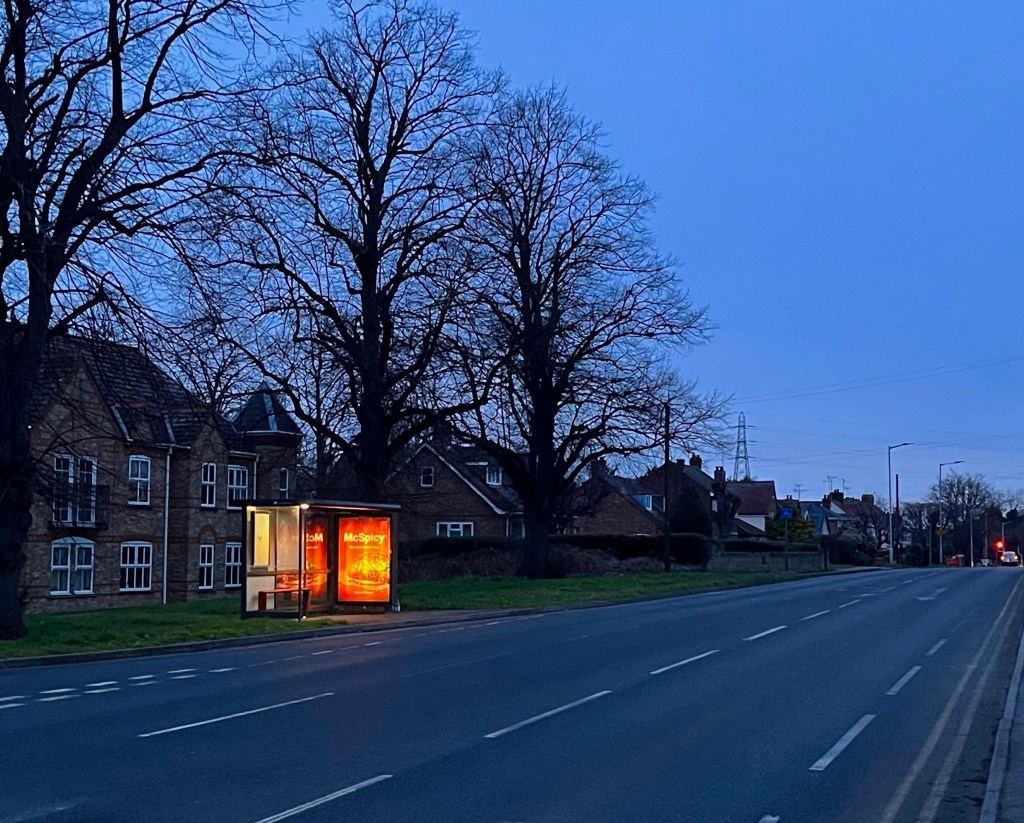
What has this got to do with running? Everything and nothing. I wish I had more time to run, but I don’t. Making time for running means going out with the dawn at 5am, or the bats at 9pm. But it also means cutting back on sleep and I can’t do that now. So running has had to become less important for me, and I’ve become really envious of people taking on new challenges or gym work or big sessions or long runs. But when I look harder at the envy, I can see that it’s really about me, not them, that it’s just guilt – guilt that *I* am not doing more, that *I* am not fit or fast.

Running is my solace in stressful times, my escape. I can’t let running become another stick to beat myself with, another item on a to do list I can never finish.
This Sunday morning I wanted to run 10 miles. The forecast was fine and I planned to get up and out at 5:30am. Instead, at midnight on Saturday I was wrenched out of the first blissful hour of sleep by my daughter plaintively saying she felt sick. I spent the night on the floor in her room while she dozed with all the lights on clutching a bowl. In the morning she was fine, but I was a wreck.

At 7am I made a coffee and had a little cry in the kitchen, as I blearily crushed and squirted 3 different medicines into our ancient cat’s food. It’s just too much first thing in the morning, to be making coffee and toasting bread and drinking water and microwaving milk and wiping surfaces and checking for cat sick. I was grumpy as I stomped up the stairs, and mean to humans and felines alike.

I sat waiting for the coffee to do its work and searching for a reason to go for this run. I wanted to do it, I wanted it to make me feel better, but I was tired in the brain and in the stomach and in the legs. I wasn’t ready to go out until 8:15, too late for early birds and peak walking hour for dogs – my least favourite time to run.

I left the house and started walking, taking my own advice from yesterday’s parkrun with Martha: “just walk until you feel like running, and don’t worry if you don’t”. I walked a mile before I felt like running at all, and then jogged slowly on and off to Ferry Meadows. While I was jogging I listened to part 2 of the Bandsplain podcast about Pearl Jam. Then I listened to Corduroy three times in a row. I love that song. I love how we can get pleasure from other people’s pain, even from our own if there’s beauty in it.

At 5km I stopped my watch. I didn’t want to go home, I didn’t want to sit on a bench and cry, and I didn’t want to run. I decided to walk to the cafe, buy a coffee and walk home. It felt good to decide this. Sometimes you can’t escape your feelings. Can’t outrun them. When I run I can usually get out of my own head but I knew that wasn’t going to happen today. 5km is a good run. 5km was enough.

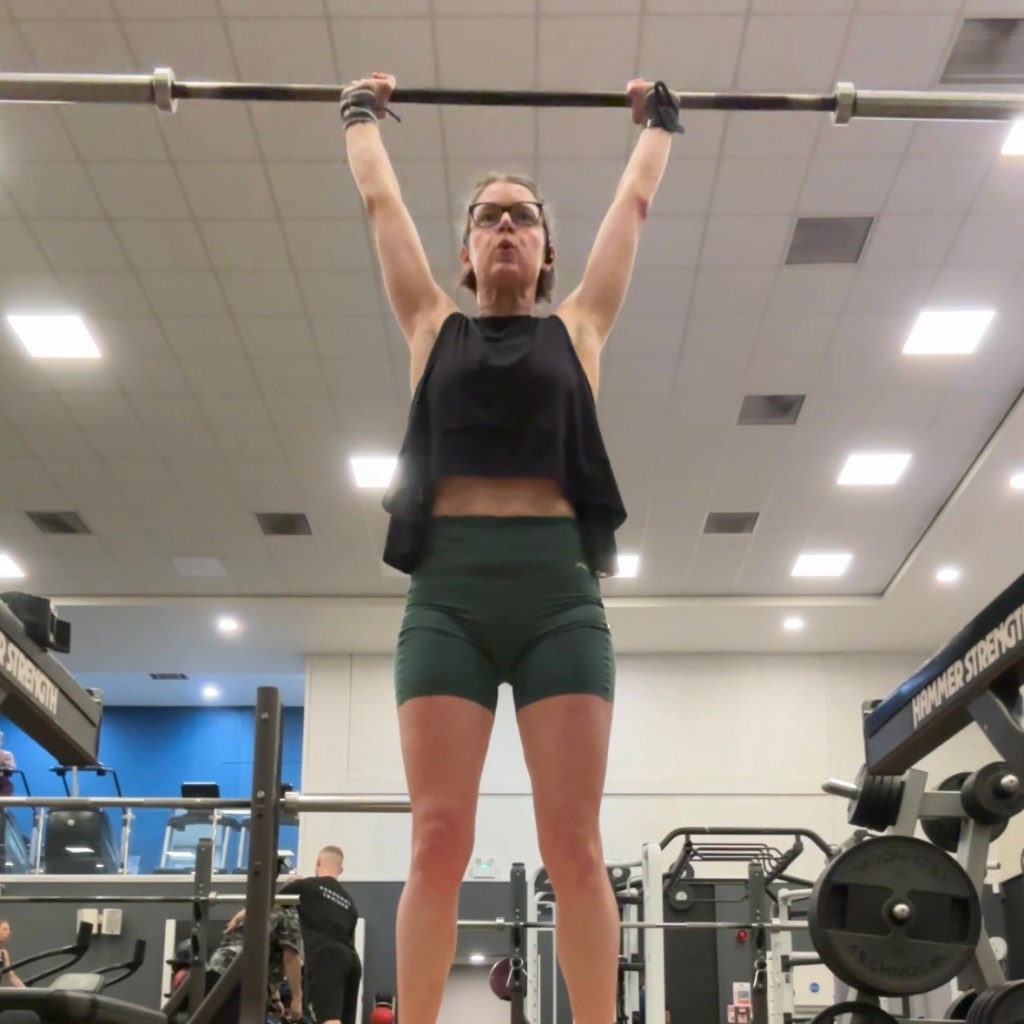
It’s ok to be a gym lightweight

Queen of the empty bar

Social media is sometimes like an aunty who once heard you say that you liked frogs and then buys you frog-shaped content – slippers and soap and ornaments and birthday cards – for the rest of your life. The minute you get curious about something, let’s say… how to do a deadlift… social media will give you so much content about deadlifts you will feel like you never want to do a deadlift again.

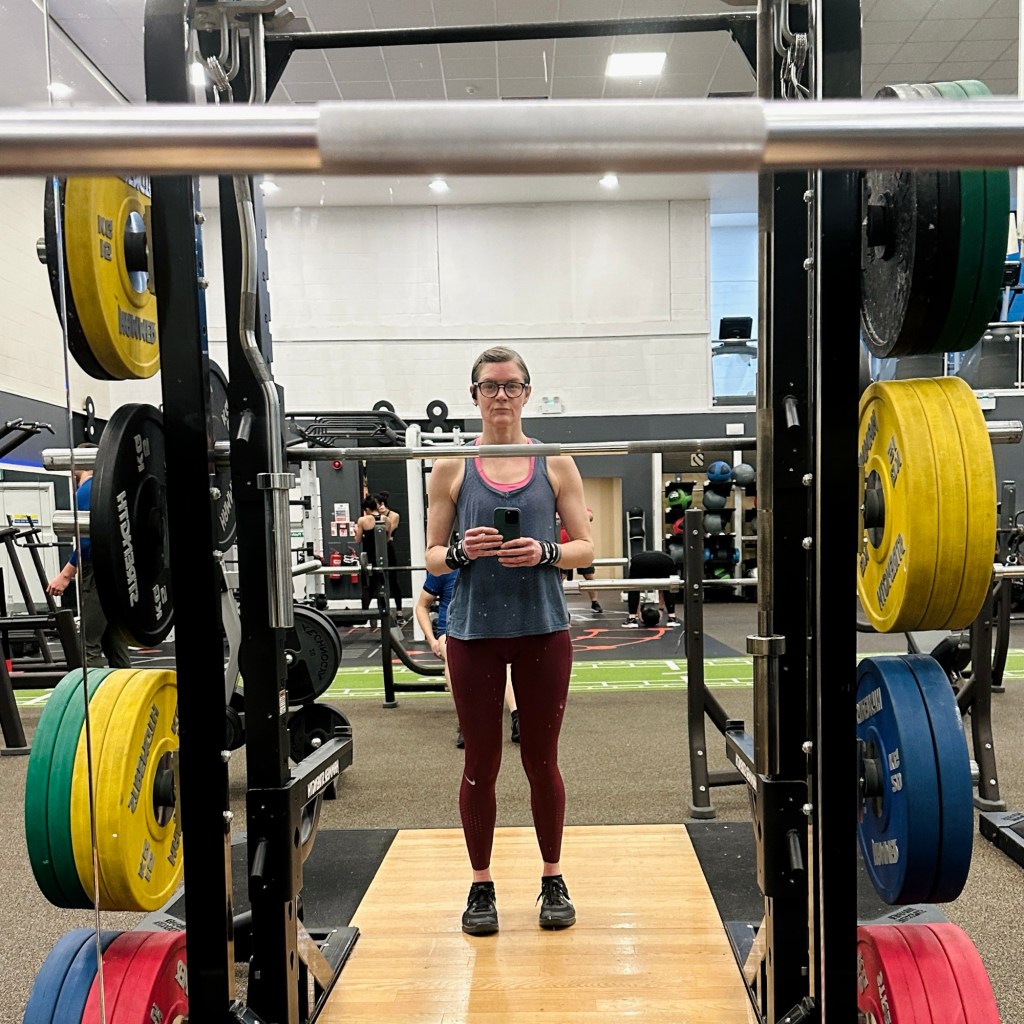
When we hold all potential human knowledge in our pockets, it’s so hard to hold on to curiosity and learn something new. But I have been trying. Once a week, since January, I’ve been to the gym to lift heavy weights. I’m 48 and menopausal, with creaky knees. After battling injury for a year, I now fully believe that lifting heavy weights is going to keep me running.

Heavy weights? I thought this was about being a lightweight. It is, I promise. The weights I lift are puny compared to what I see the awesome women in the gym lifting. But they are heavy for me. I can feel them engaging my core, challenging my stability, and building new muscles. I’m going once a week, and my legs feel stronger and more stable when I’m running. When I did crossfit a few times a week, I was strong but I had so much DOMS (delayed onset muscle soreness) I could barely run.

If you don’t lift weights, going to the gym can be intimidating. Everyone looks like an expert. It’s hard to pick what to do, even harder to know if you’re doing it right. It’s scary to join a class, and expensive to get a 1:1 personal trainer. So social media is doing a lot of heavy lifting (sorry) when it comes to training advice. Over the past few months I’ve had instagram accounts telling me that I won’t make progress unless I lift 3 times a week, that I shouldn’t do deadlifts, I should do romanian deadlifts, I should only squat, I should never squat.

I’m not going to give out training advice, but I will share that I:

  • Only lift once a week – once a week, every week, is my commitment;
  • Prioritise strength, not fitness – I get my cardio from running;
  • Take my time – yeah I look at my phone between sets;
  • Pick things I like – slam balls are fun;
  • Do the same workout every week – then I don’t have to make decisions;
  • Embrace being a lightweight – form is more important than numbers;
  • Increase weight s l o o o o w l y – in four months I’ve only upped my squat and deadlift weights once;
  • Regularly put my wedding ring in the washing machine (in my shorts pocket).

This is working for me. I can now squat down to sit on the floor and stand up again without using my hands! This is my olympics. Find what works for you, and don’t let people on the internet tell you what that is. Including me.

Life lessons from the injury rollercoaster

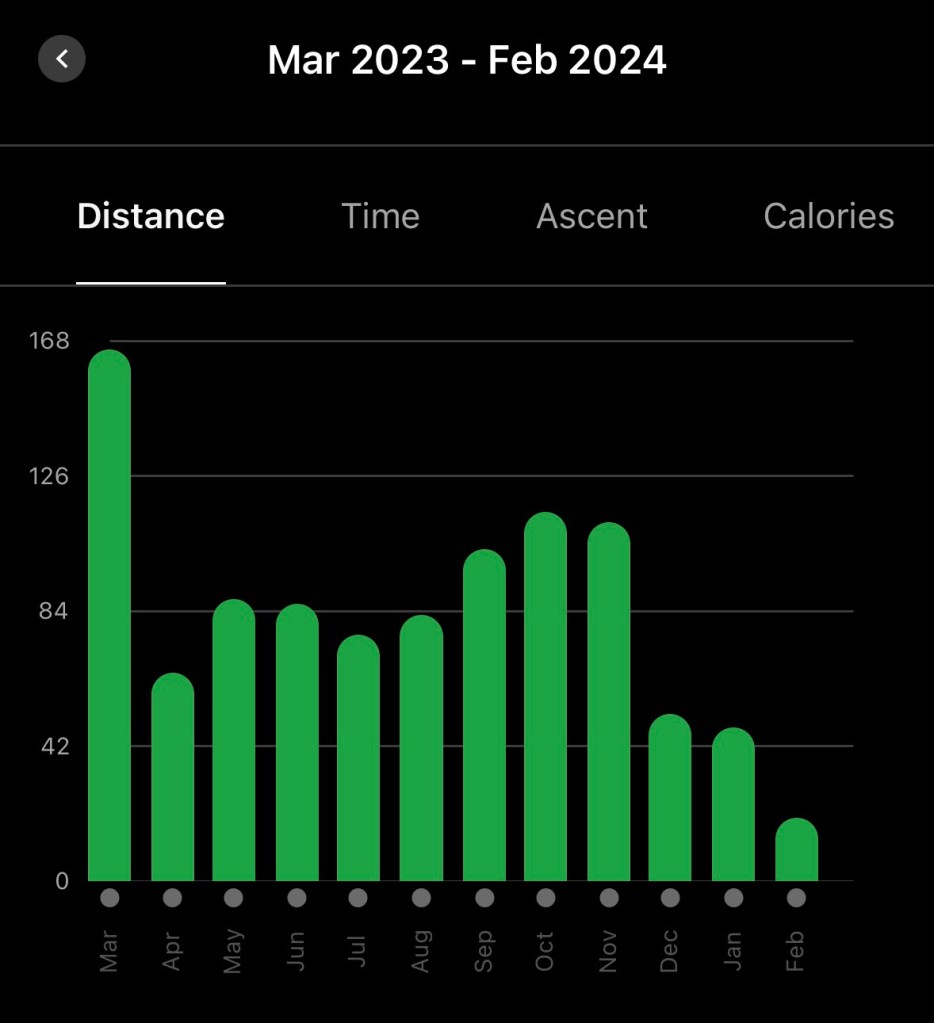
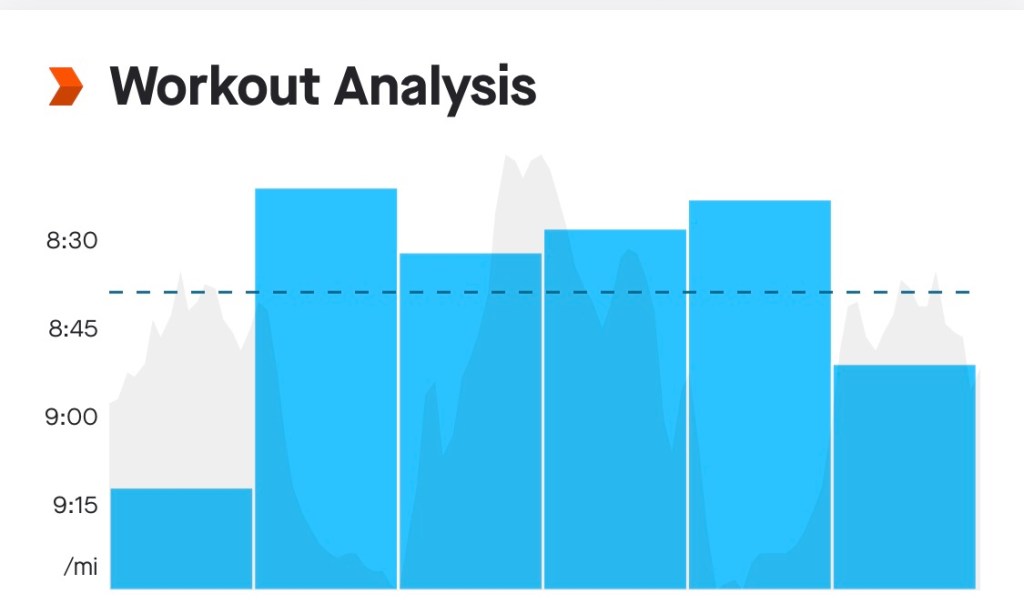
Dear Reader, you can see patterns in anything if you look for long enough. My soon to be year of running injured looks like the rolling hills of an inevitable eliptical workout. But am I on a downslope or an upslope? It looks like I should be at my lowest, but I feel hopeful. A disclaimer: here be lessons, but… never take advice from someone who’s falling apart.

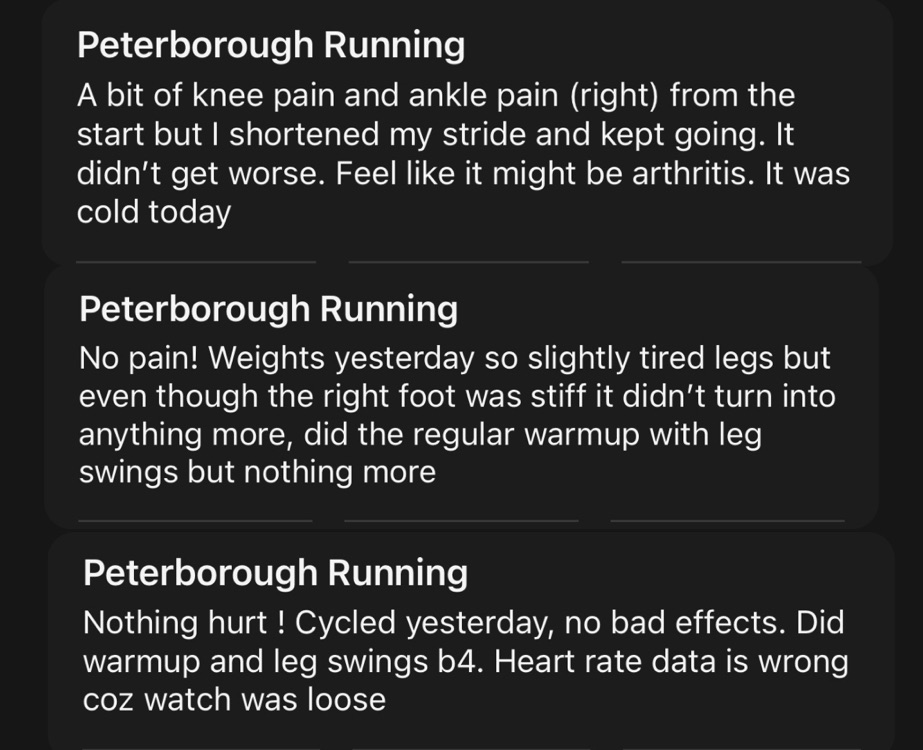
This chart is from my garmin account. I deleted strava before christmas when the tops of my feet starting hurting as well as my knees, and jealousy turned into loathing for everyone out there running ten miles like it was nothing special. No more sharing of photos and wildlife spotting for me. Just an obsessive list of private, unfiltered thoughts on how each run went and why.

My garmin notes run in cycles: celebration! commiseration! mystification! A good run might be because I did my strength exercises the day before. A bad run might be because I was tired from my strength exercises. Or because I didn’t do them. I warmed up. I did too much warm up. It was early. It was late. I was desperately searching for clues as to why my feet and knees were hurting.

At christmas, I pushed running to the back of my mind like crusty trainers in the shoe cupboard. I dug them out and saw the physio (again) in January. Her opinion was a surprise: I was doing better. My glutes and hamstrings were stronger, nothing seemed seriously wrong. She asked if I’d been doing anything different, and I said I’d been going to group cycling (spin) classes. Actually I had wondered if that’s why the tops of my feet hurt. Her advice: stop the cycling and see if that helped.

It did.

I had been making a pattern where there wasn’t one. Assuming that my ankles were sore because of my knee pain. But maybe… they weren’t connected. This week I ran my first 10k without pain in two months. I started the week planted to the sofa by a cold. Ran 4 miles on Thursday, also without pain, then on Friday I went to the gym for a couple of hours. I mixed cardio with strength, and finished with *proper weights*: deadlifts and back squats on the lifting platform. Swam 40 lengths with Martha on Saturday, ran 6.2 miles on Sunday. Is this the beginning of a good pattern?

It feels too early to say, but it’s not too soon to share one thing: building strength is the cure. I’ve done a few months of regular homework: split squats with a 5kg weight in each hand; hamstring curls on a swiss ball. The other day I realised that I can almost do a single-leg squat now – something that would have been unthinkable for my shaky ankles and creaky knees a year ago. Building strength for the functional movements of life can only help. This week’s gym session was my third *proper* session and the first where I felt really good. Strong. Like I belonged.

Being sensible / that injured feeling (FGSJ!)

“You’re so sensible! I need to be more like you”, a friend said, about my approach to being injured. I felt good for a few seconds, imagining all the miles I hadn’t run, the risks I hadn’t taken.

A brave face

Then it was back to that injured feeling again: frustrated, guilty, scared, jealous (FGSJ!). Opening strava without thinking, and immediately closing it, but not before I’ve scrolled through enough friends’ runs for pure rage to well up in my throat. In the office, I hear someone standing in the kitchen complaining about their track session last night, and am rooted to my desk by cold twisting vines of envy.

The worst thing is, I don’t know whether I *am* being sensible. Yes, I acted on the first signs of injury, I went to see a physio, I pulled out of my marathon, I stopped training. But I didn’t stop running completely. 12 weeks on, I can manage 20 miles a week, but my knees aren’t cured. They don’t hurt, but the backs still swell up after a run, and I can’t run two days in a row.

At the back of my mind is the fear; what if this is for ever? And what if I just have to accept it? My first running injury (a cracked metatarsal) sent me to the GP, who was mystified as to why I was bothering the NHS with this minor issue. We are not elite athletes. No-one is going to greet us with concern at a packed walk-in clinic, and say “You need an x-ray and a CT scan, stat”. Doctors, like non-runners, think that if your knees hurt when you run, you should stop running. Just do something else instead!

I have been doing other things. Pilates, hiit workouts, deadlifts and squats, swimming. But cycling is too painful on the crotch (how do women do it??!), swimming breaststroke makes my knees click, and the gym plays terrible loud music.

I want to be outside. I want to be running. I don’t want to be sensible.

FGSJ!

I swam one length

I’m not badly injured. Just the kind of injured where I can run, but I’m not sure I should. The kind of injured caused by “overuse” rather than anything specific.

A running injury caused by running: a classic of the genre.

(I did not swim in here)

The physio said my knees are “irritated”. The right one is particularly pissed off, making weird clicks when I bend it, and both knees feel a bit swollen the day after a run. Clicks are normal, apparently, but mine don’t feel normal.

I tried running less, stretching more. Leaving it a day between runs stopped the swelling, but I felt too nervous to run fast in case the knees got worse. I don’t want to put up with it, I want it to go away. So I’ve been resting for a week to see if that helps.

I am not good at resting.

After days of doing nothing, on Friday I cracked and cycled to the gym for some sweet sweet sweat. I rowed 2km, did 30 minutes on the elliptical, swam 20 lengths, and cycled home. Swam 20 lengths? So why does the title say one?

When the London marathon was beginning without me in it, last Sunday, I was walking in the rain listening to Lauren Fleshman’s excellent book, GOOD FOR A GIRL. Everyone who cares about women or girls, or running, should read this book. It’s so insightful about what it means to push our bodies and minds to the edge, and how risky that can be for women in a system built for men. Anyway, a throwaway line from the book stayed with me – when injured, Lauren just decided to teach herself front crawl.

I never had swimming lessons. One day my dad took my armbands off, held my belly up for a bit and then let go. It was like riding a bike, if riding a bike involves your parent constantly asking why you still swim like a banana. As a consequence, I can swim one stroke: breaststroke. Badly.

At the pool on Friday, I thought about Lauren Fleshman *deciding* to swim, and I thought about my daughter worrying every week about swimming lessons but going anyway, and I thought about the few times I’d tried to do front crawl and couldn’t get the breathing right, and I just decided to do it anyway. I kept swimming, I kept trying to breathe in every third stroke, I kept trying to breathe out less forcefully in between so that I wasn’t desperate for the breaths every third stroke. It didn’t work, I did run out of breath. But I did keep going.

I swam one length of front crawl and hated every second. Yesterday, I went for a run and loved every second. And my knees are still irritated.

I know the feeling.

Maybe don’t show me the strava stats

I’ve always been a late adopter when it comes to tech. The last person in my friendship group to get a mobile phone, I held out until the day I had to spend an hour and twenty minutes waiting in the car park of Balham Sainsburys because everyone was running late, but had no way of telling me.

When I started running in 1993 I wore a casio stopwatch that went up to one hour, before starting again at 00:00:00. I still have it, it still works, and I’ve never changed the battery. I just looked up when GPS watches were invented, and the first garmin went on sale 20 years ago. I bought one in 2014.

Why did I need a watch to tell me how fast I was running? I worried it would stop me from “running on feel” and listening to my body. Now I can’t imagine running without it. If I want to test whether I’m still running on feel, I just don’t look at my watch during the run, and check the data later. That way I can still run on feel, but also find out if my feelings are accurate.

I’m on my third garmin now, but still a fairly basic version (Forerunner 55) with all the alerts and suggestions switched off. I don’t want my watch to tell me what to do, or nag me to do more. The best thing about using a GPS watch is not having to do sums. Racing used to be a maths test: dividing your goal time by 26.2, writing down key splits on your hand, and re-calculating your pace at every mile marker.

Uploading my runs to strava, I love seeing my routes, and other people’s, to get ideas of where to run. Back in the pre map-my-run days, when I wanted to plan out a long run I genuinely had to get a piece of string and measure out a run on the A-Z or an ordnance survey map. Now I do an online version of this with the amazing OS app. But instead of writing the directions on my hand (hands were very important in the past), I can just look at the route on my phone in the middle of the run, and it tells me where I am.

Technology really is magic, and we’re lucky to have it. It has changed so much about running, it’s hard to remember what it used to be like. But last month, my free strava account was automatically upgraded to a subscription for a month, and I remembered that tech isn’t always good for you. At first, I was excited. What’s not to love about viewing our fitness trends over time, and training progress week by week?

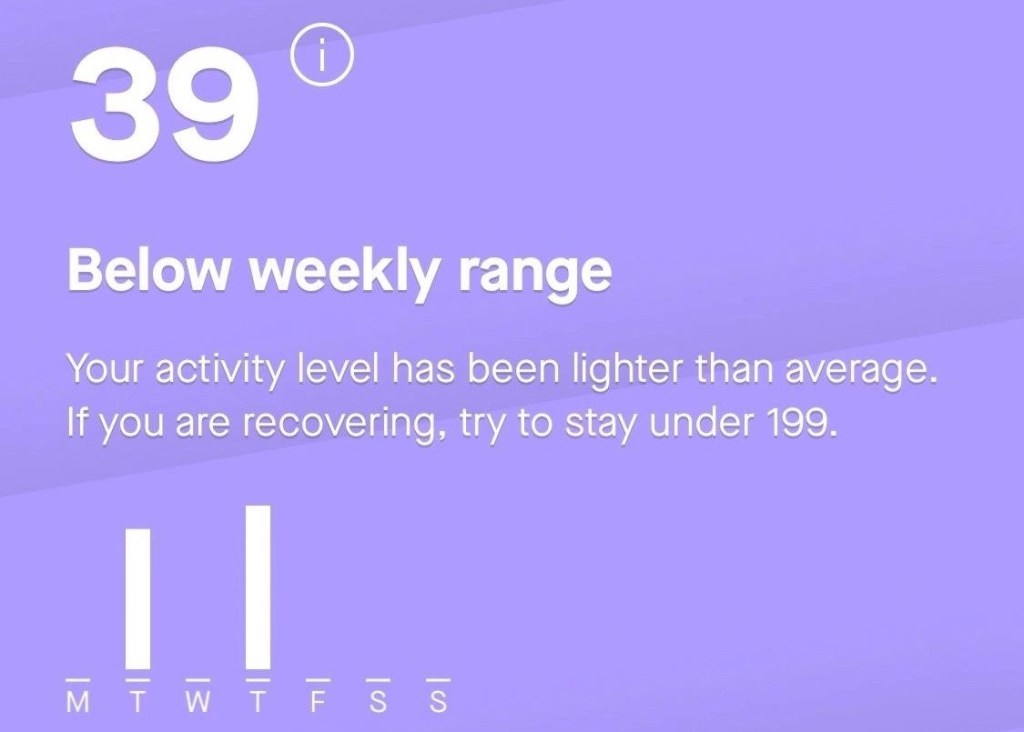
What’s not to love? For me, this kind of analysis was de-motivating, and anxiety-inducing. When all my numbers are going up, I feel pressure to keep them there. When they’re going down, I feel depressed and frustrated I’m not making them go up again. This is what losing “running on feel” looks like to me. An overload of analysis which controls my feelings about running. I didn’t feel bad about my training before, but now that I can see the stats, I do.

Strava has tried not to make its language all about monster weeks, and to frame rest weeks as positive. But the colours, the numbers, the charts, they paint more of a picture than the words. If you’re a runner like me who is self-critical, and over-competitive, this is risky.

The month’s subscription just came to an end, and my account is back to normal, just in time for me to pick up a knee injury. So whatever happens now, at least not having to look at my declining fitness trend is a light in the darkness.

Is it a training race, or a race race?

It’s that time of year. You’ve just finished a long marathon training run. Your face is salty, your thighs are throbbing, but you’re buzzing. You did it! It’s in the bank. You upload your run to strava, and while you’re waiting, you scroll through other people’s runs. You look at the distances, the times, the comments. You tap “view analysis” and look at your elapsed time. It doesn’t look as good. The buzz starts wearing off.

“I could have gone faster”, you think.

Yes. You could have gone faster. But *should* you have? The answer is no, and you know it. Long slow runs are called LSRs for a reason. They’re not long tempo runs, or long steady runs, or long fast runs. Being slow is the point.

While we’re out running further, our bodies are getting stronger. The stress of the increased mileage is overloading our muscles, and triggering adaptation. By running slowly, we’re reducing the impact of this overload on our bodies, recovering more quickly, and protecting ourselves from injury. There are no strava crowns for being slow and sensible, so we just have to remember that the benefits are invisible, but real.

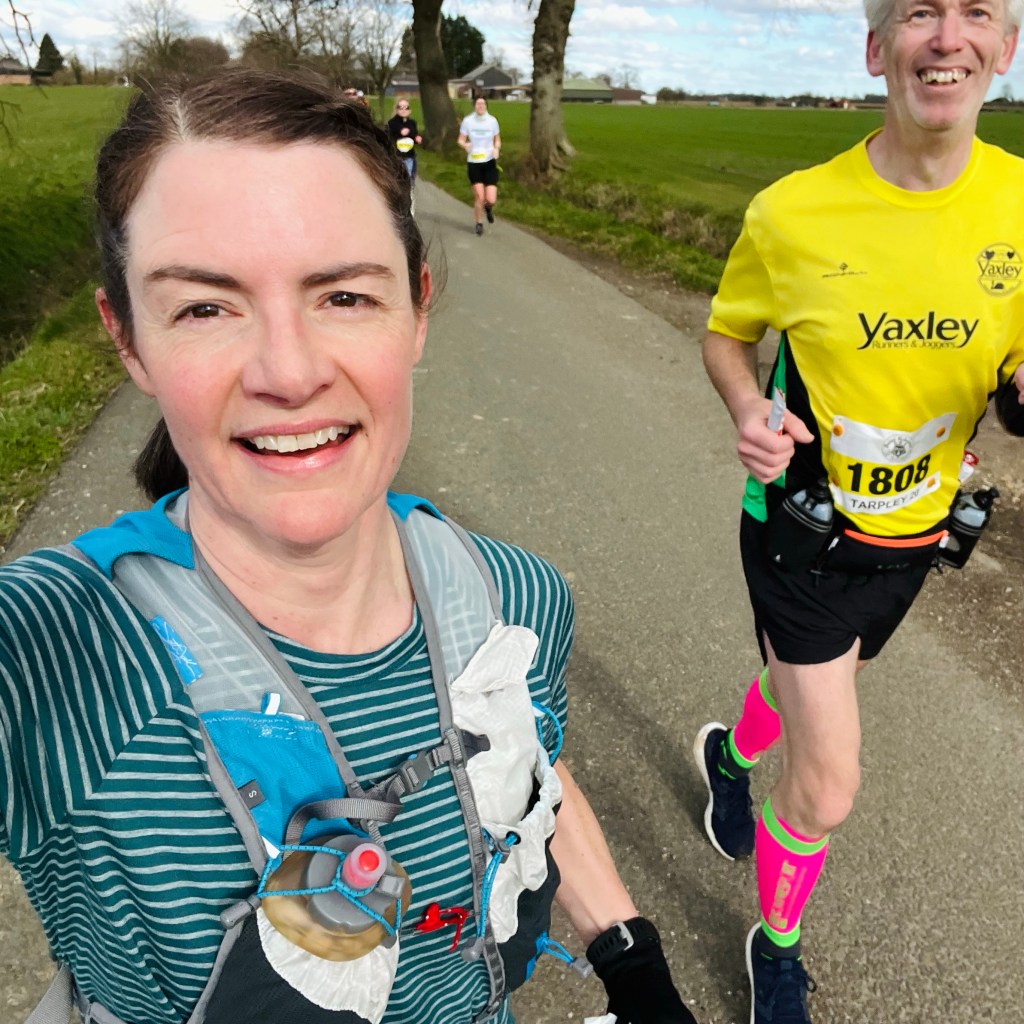
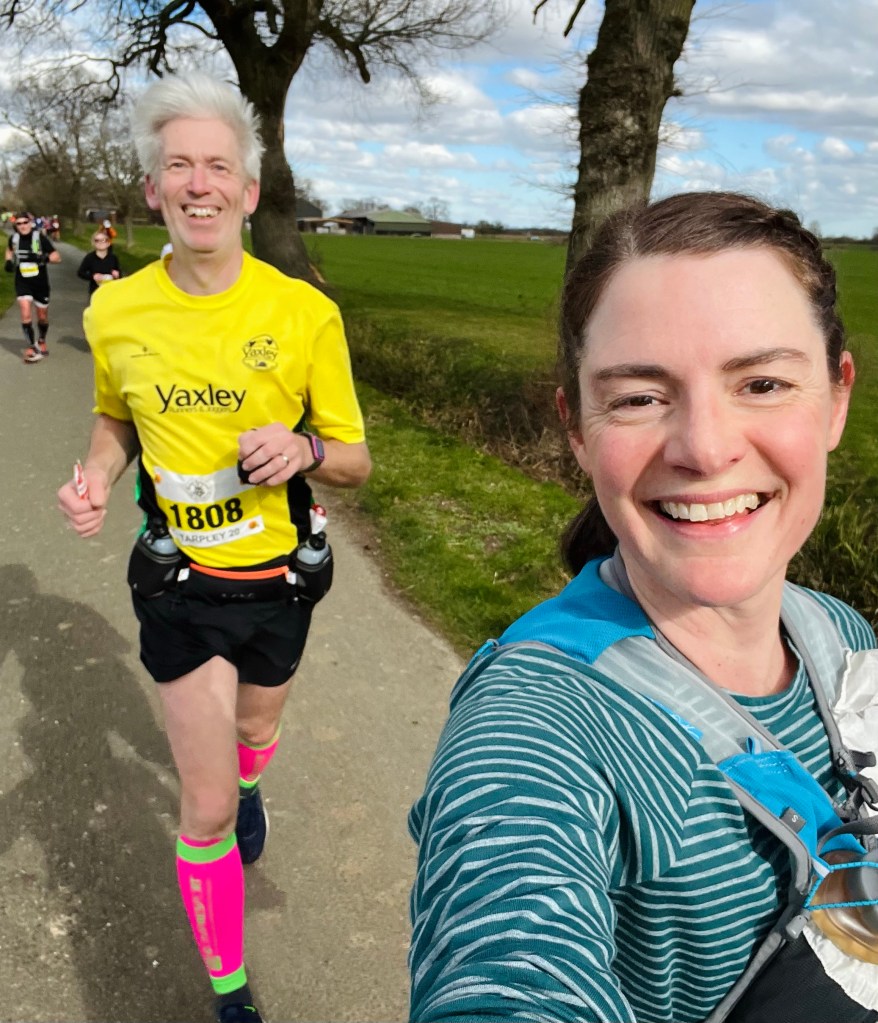
This is easy to say, but harder to stick to. Last weekend I ran a 20 mile race- the Tarpley 20 – as part of my marathon training. Before I joined a running club, I had never heard of anyone doing a race as a training run. Don’t these people realise that running is free? I would have said. But long races make for brilliant marathon training. They are locally run, reasonably priced and well supported. If you’re struggling to motivate yourself to cover 30k or 20 miles by yourself, pinning on a race number alongside 300 people who probably feel the same really helps.

The challenge with a training race, though, for anyone with a shred of competitiveness in their veins, is that it’s still a race. It’s really hard not to race a race. I should know, I’ve done it. At the Stamford 30k in 2022 I went too hard in driving rain and picked up a calf strain that ended my chances of running Brighton marathon. At the Oundle 20 in 2019, I got carried away with it being a club championship race and, looking back, put in a much better performance than I managed at Boston marathon four weeks later.

At the start line last Sunday, I could still feel the temptation. Before the race, to guard against this, I had told anyone who’d listen that I was going to take it slow. Even so, I found myself finishing my first mile in 8 minutes 17 seconds (AKA, this year’s goal marathon pace). Luckily, my brother in law caught up with me in mile two and asked me (in the nicest way) what the hell I was doing. Slowing down, I replied.

I did, and as a result, I really enjoyed the run, especially the last few miles. When I got to the finish, I not only felt I could run another 6.2 miles, I actually wanted to. I can honestly say I have never felt like that at the end of any race, ever.

I am not a coach, and I can only talk from my own experience, but I wouldn’t race – as in, properly race – anything longer than 10km in the run up to a marathon. If we’re tempted to push it harder for longer, we need to ask ourselves: what is the main goal? Is it to perform really well in the marathon, and get to it on top form and uninjured? Is it to perform really well in the club champs? Is it to boss the cross country season? Because we cannot do them all.

When it comes to your marathon, so many things about race day are uncertain. Focus on what you can control. Focus on the goal.

Don’t risk leaving your best race in training.

January: the month for taking motivation wherever we can find it

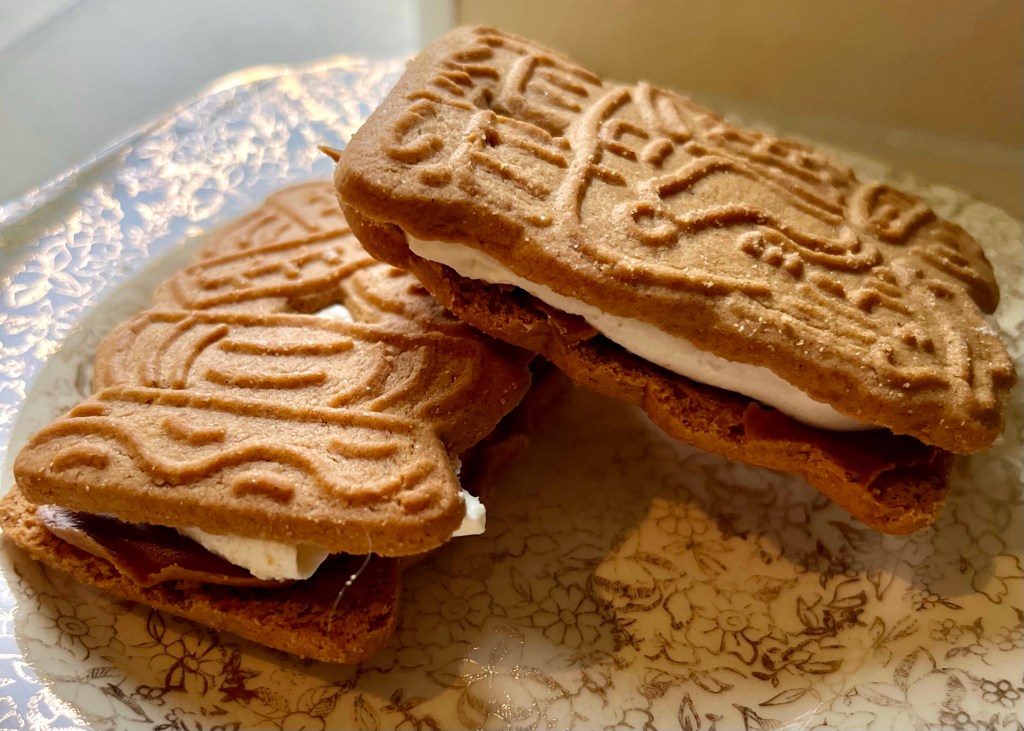
Speculoos & cream cheese: motivation in a biscuit

It’s getting near the end of January (hurrah!), and resolutions are fraying along with tempers. We are all hanging out for payday, for lighter days, and warmer weather. But running can’t wait, at least not for me. If I am going to run London marathon this year – and I think I am – I need to get out there now.

Usually I have a training plan, and use that to hold myself to account. But not this year. At least, not yet. I had so much time off running in late 2022 that I never got to build a good marathon running base. My past three months’ running still look like a rollercoaster with big dips for Covid and The Cold, and I haven’t strung together three weeks’ good mileage yet. Once I can do that, I will call it marathon training.

Running without a plan is tempting in the spring or summer, when just being outside is a delight. Right now, ploughing through the mud in -4, not having a plan is a big risk. With energy bills so high, my house is cold, and just getting changed into my running kit is the hardest part of going for a run.

January is the toughest month for running. It’s mad that this is time most people start training for their first marathon. And honestly, if nearly thirty years of running has taught me anything it’s this: find motivation wherever you can. Looking forward to a bath when you get home? Want to wear that new headband? Have to go to the post office? Want to see the seals in the River Nene? All reasons I have used to go for a run in the past two weeks.

The king of motivators – always – is the one I use least: running with other people. I run alone because it’s convenient, but also because there’s nobody else to worry about. Even when I’m running with friends and family I get anxious: am I talking too much? Too little? Am being boring? Am I going too fast? Too slow? I wish I could turn off these fears, because running with other people is brilliant. Time goes more quickly, I get to hear all the gossip, and – most importantly – I always turn up.

(p.s. I did not see the seals)

2023 in running: a miserable and magical year

It’s been a funny old year. But haven’t they all been, lately? A journalist asked for some stats at work the other day and I had to write an email justifying why no two years are really comparable and then I stopped and thought: why am I doing this? Of course you can’t compare 2020 to 2021 to 2022. We’re living through a series of crises.

It has not been a vintage running year for me. I picked up a calf injury by pushing too hard in a 30k race in February, deferred my Brighton marathon place, trained fitfully over a hot summer, ran the Rutland marathon and did not enjoy it, then finally got Covid and missed the beginning of the cross-country season. My annual mileage is set to be my lowest for many years.

But, surprise! I still love running. When I have managed to get out for a run – even (especially?) the ones where I walked – I’ve loved it more than ever. The injury and Covid were rotten, but they made me appreciate running more. I missed being outside, covering ten miles with ease, and getting out of my head as well as the house.

I went part-time (if 4 days a week with some work on fridays really counts as part-time, which I would argue it does not) in March, with the intention of doing some creative writing on my day off. I’ve found it hard. Not working quite so much has been great, but it turns out that creativity is not a tap I can just turn on when I have a spare few hours. Also, there are a whole heap of other things I want to do with six hours to myself, and running is high on the list.

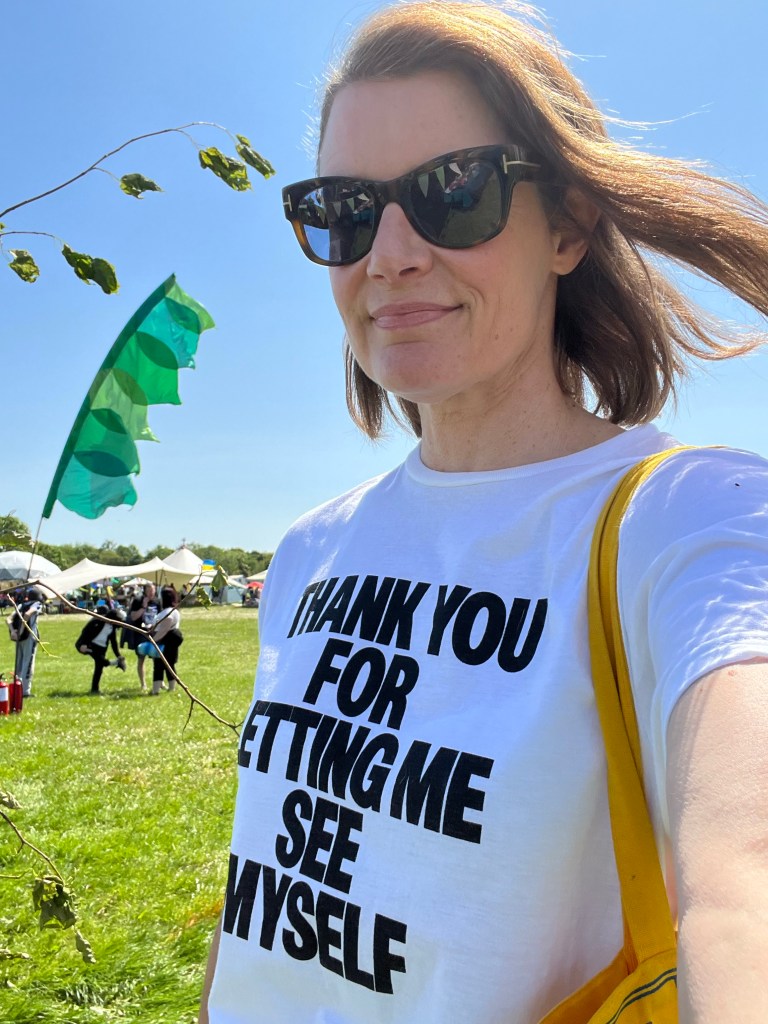
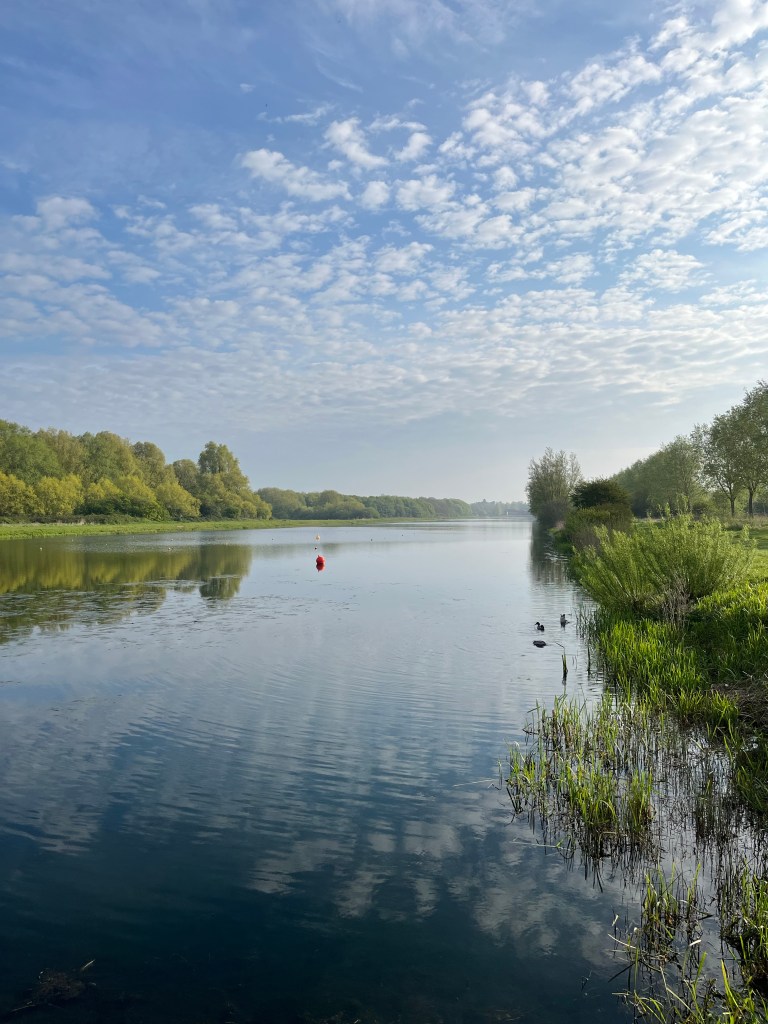
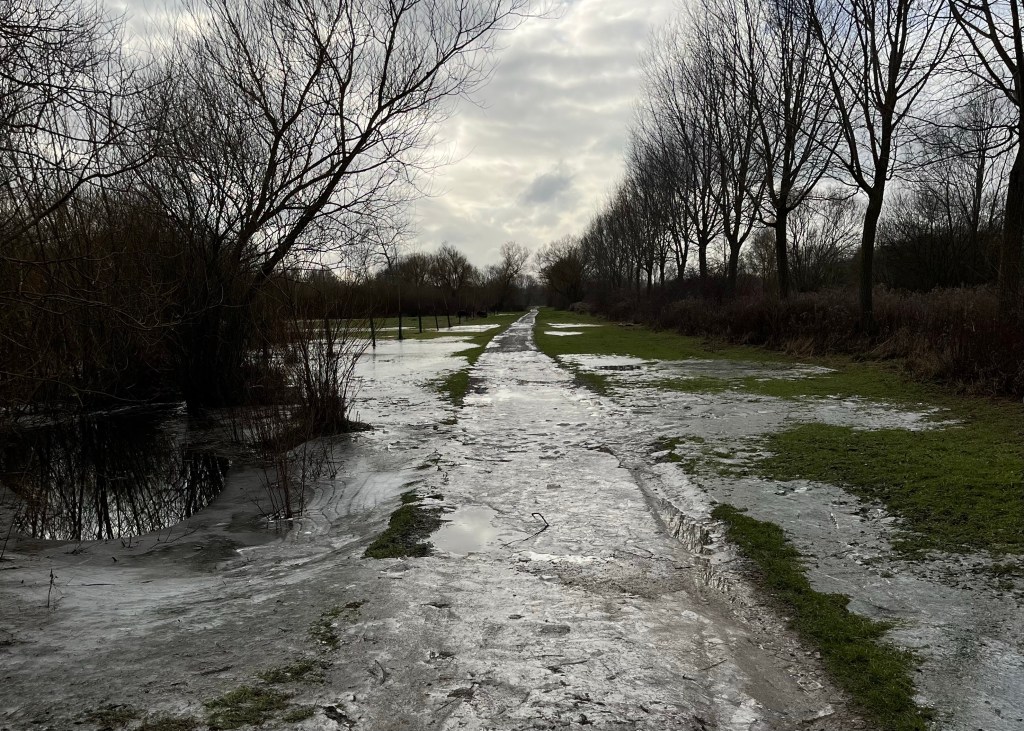
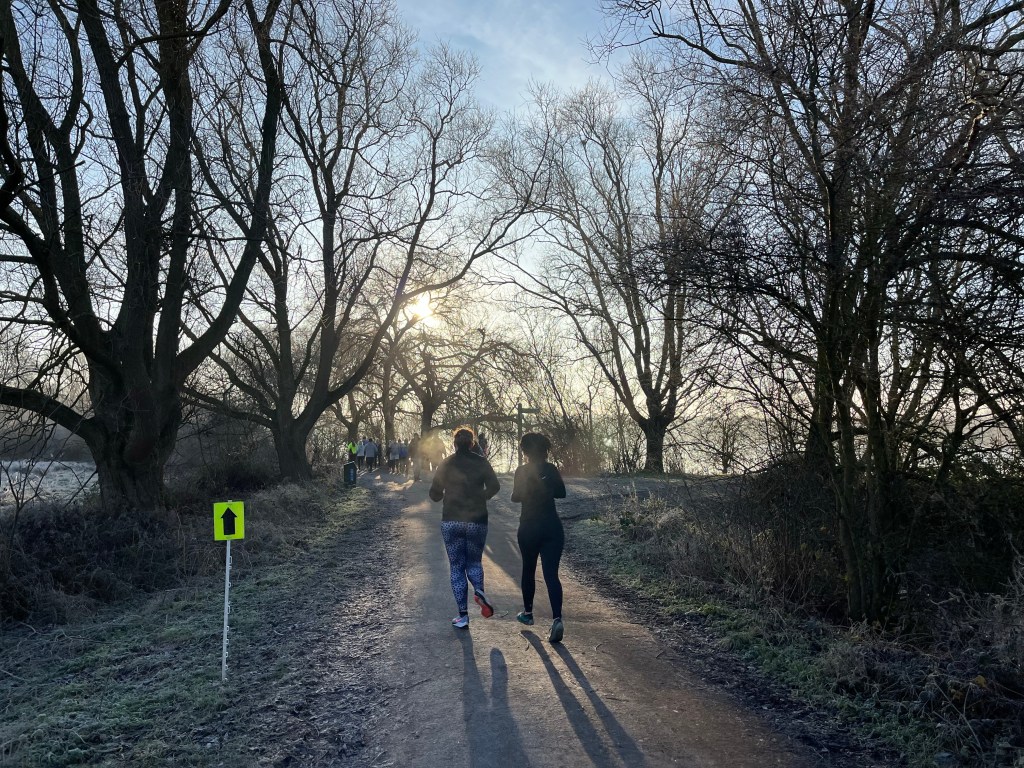
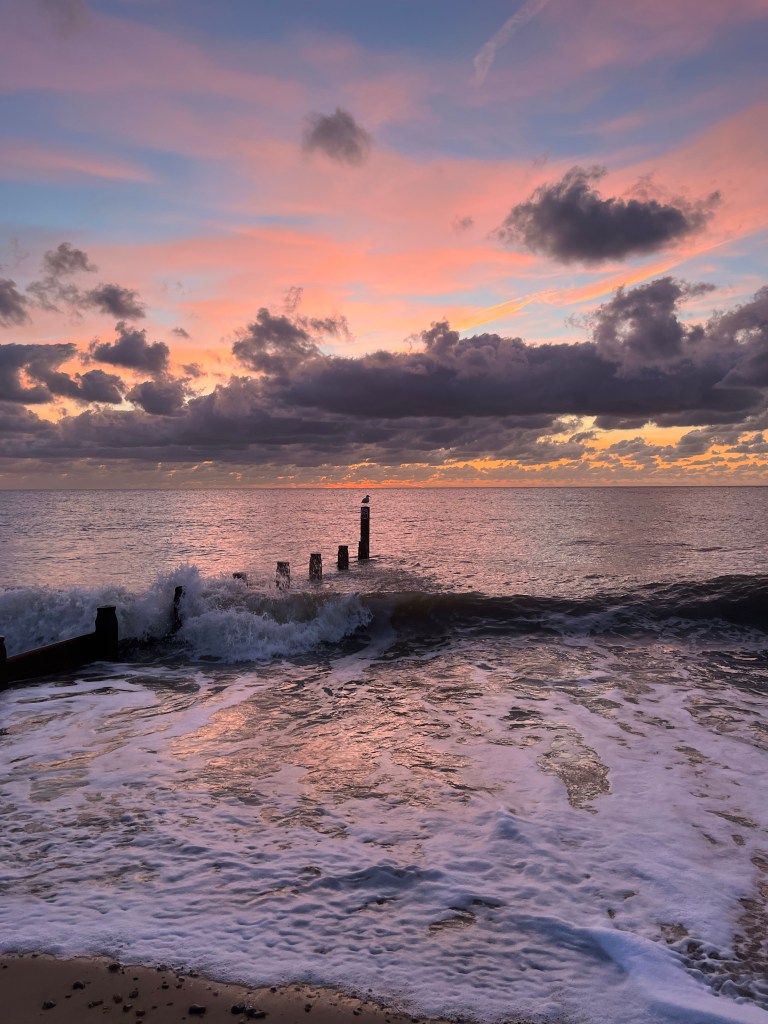
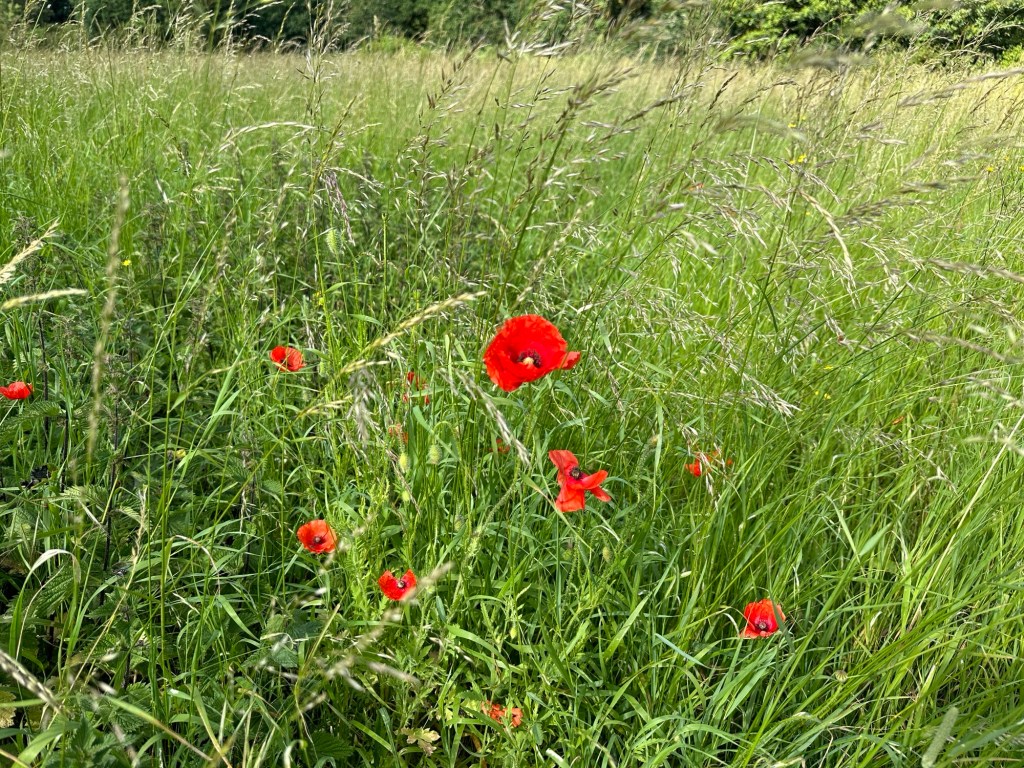
My best runs this year have been Friday morning runs. Some of them with Lazy Girl Laura, but most of them alone. Does running count as being creative? Maybe not, but it definitely does count as beautiful. I’ve shared some of my favourite running photos from the year in this blog. You can’t see me in any of the pictures, but I was there.

Mile Two, I Love You

I’m running, but I’m not fit. I mean, I’m fitter than someone who doesn’t run. But I’m not race fit. I mean, I could run a race, faster than some people, but not as fast as I want to run it. Okay, I am a bit fit. And the bit fit that I am, to be specific, is Mile Two Fit.

In Mile One, I am slow. Every run at the moment starts slow – this is the thing about being over 40, I have to start slowly no matter how many warm up exercises I’ve done in the hallway. My knees are creaking, my back is stiff, I’m shuffling my feet.

By Mile Two, I am ready to rock, ready to run, ready ready ready steady go baby! I feel great. I don’t even feel like I’m trying. My legs are turning over, my feet are bouncing, my breath is coming easy. I’m holding myself back and I’m still super fast. Can you even believe that mile split?!

By Mile Three the party’s winding down. I keep pushing the pace but it’s not easy now, it’s an effort. I have to concentrate on breathing, think about my stride, work hard to drive my knees forward and pick up my feet.

At Mile Four, it’s over, but I’m still moving, just about. I’ve already done 5k! Everything else is a bonus at this point. Mile Five is extra – if I slowed down enough in Mile Four I might get a second wind for half a mile. Mile Six is usually the last, so it’s fine to walk a bit of that.

Mile Two, I miss you. I want to live in that Mile Two feeling for the whole run. Mile two, I love you.