
All my joy in running comes from the world outside my body. The sun on my back; the dirt under my feet; leaves brushing by my legs. Traffic lights changing to green in the twilight. A glimpse of swifts overhead. The muffled thump of footsteps in the snow.

Joy comes from how my body reacts. The thrill of clearing a big puddle at the last minute. The gradual unclenching of my shoulders as I’m warming up. The moment when I can’t tell raindrops from sweat any more and give in to being soaked. As gravity takes over on a long downhill and my legs freewheel like they belong to someone else. The triumph of getting control of my breathing and knowing that I’m strong enough to start running again.
I run with my body, but experience it with my mind. When I’m running I can see so much, experience so much, and it is a liberation. My body and my senses are taken up with the act of running. I am freed from myself.

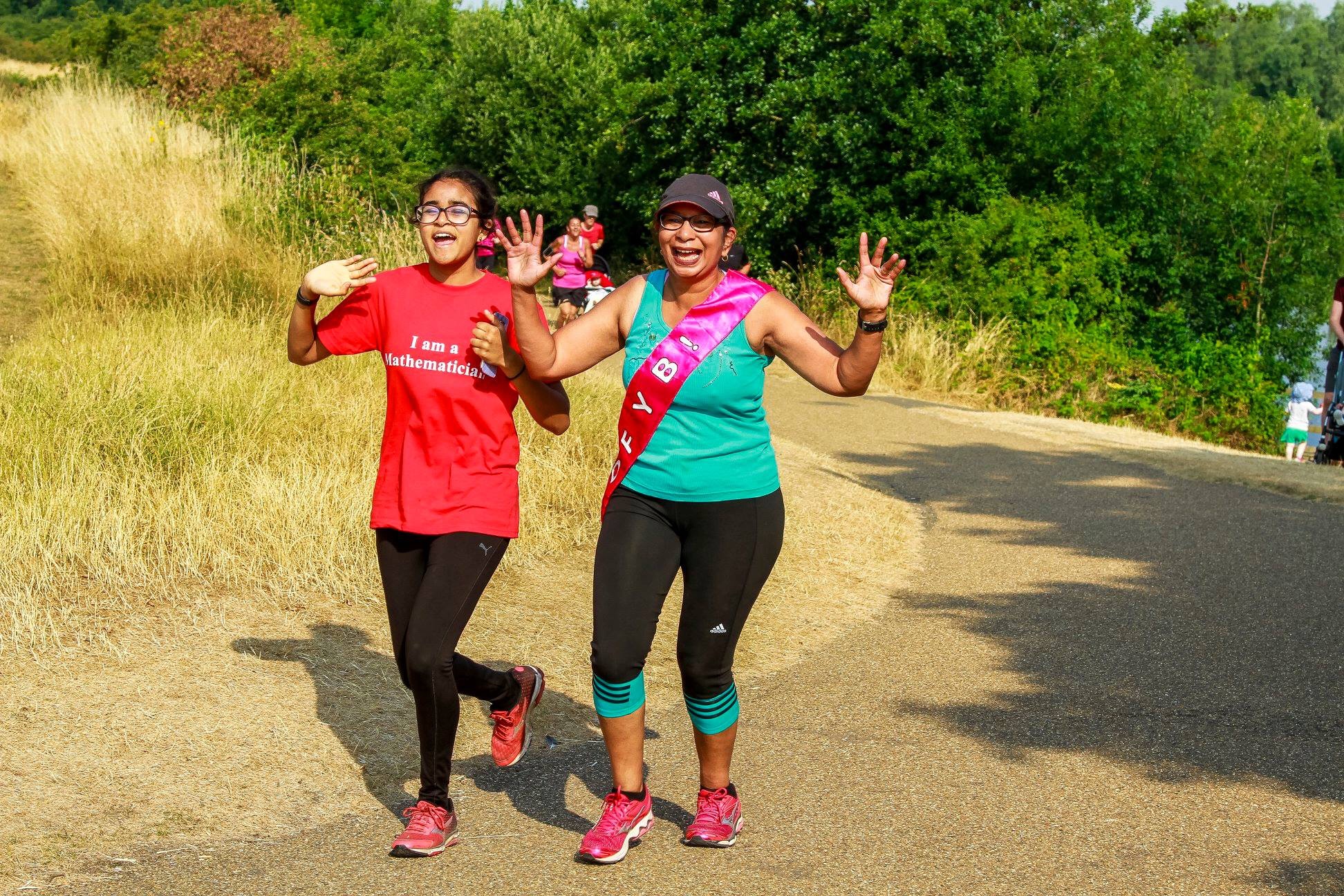
It’s strange that this feeling of freedom is rarely reflected in the images we share of running, and that the opposite is true. We seem confined to our bodies. We share photos of ourselves, staged or taken many times, with filters and flattering lighting. We cut out the backgrounds, we wipe away the sweat and salt from our skin. Sometimes, photos of people running do convey the joy or pain that we’re feeling, or record what we’ve achieved, but mostly they’re just poses, faces and clothes.

I don’t care how runners look. I want to know where they’ve been, what they’ve seen, and what they’ve done. When I see a sweaty, salty selfie it makes me smile, and I love a good race pic as much as the next runner, but I worry that with every image I share of myself I might be erasing a tiny bit of what running really means to me. What if all our running selfies are creating a Perfect Beauty Standards Running Monster that makes other women and girls think running is not for them?
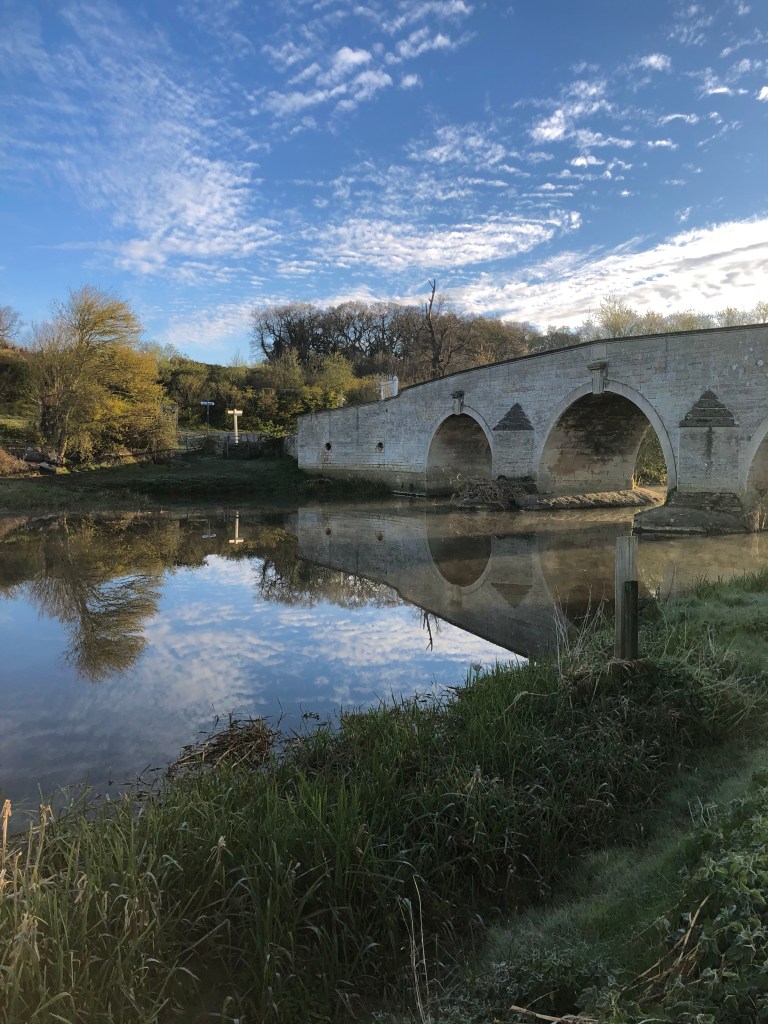
It’s not how we look while running that matters, it’s how we feel. Our appearance to others is fleeting, passing in the blink of an eye. For me, it’s not what running is about. I want to see and understand what running means to other people, not what it makes them look like. More reflections. Fewer mirror selfies.
 This Saturday, at
 Not a Jogger